
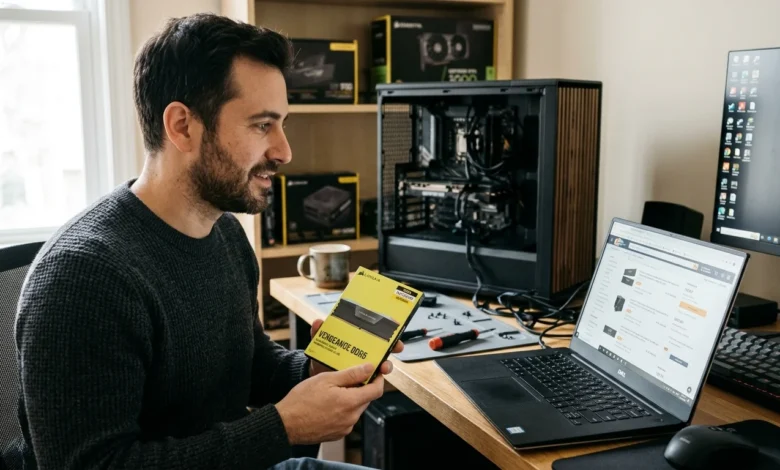
Why is RAM so expensive now? AI data centers are buying memory in huge volumes, and Samsung, SK Hynix, and Micron have moved factory capacity toward the premium chips those buyers want. That leaves less supply for the DDR4 and DDR5 sticks that go into desktops and laptops.
The price move is steep. The common DDR4 1Gx8 spot chip rose from about $12 in November 2025 to $46.32 on October 6, 2026, according to TrendForce and DRAMeXchange data. Micron’s CEO says demand will outrun supply through 2028.
This guide covers what is driving the shortage, why factories cannot fix it quickly, and how to decide whether to buy or wait.
How Fast RAM Prices Climbed Since Late 2025
The first jump showed up in the loose-chip spot market. TrendForce reported DDR5 spot prices up 307% from September to November 2025. Retail kits followed within weeks.
By late 2025, a 64GB DDR5 kit sold for more than $500, which was more than the cost of a PlayStation 5 console. Gartner expects the squeeze to last through the year, with combined DRAM and SSD prices rising around 130% across 2026 and PC prices up roughly 17%.
There are signs of fatigue. Tom’s Hardware reported that the surge began to cool once consumers hit an affordability limit. TrendForce’s September update said DDR5 spot inquiries slowed, yet suppliers kept their quotes firm. A slower spot market does not mean lower shelf prices.
AI Data Centers Are Taking the Memory
Every AI server needs large amounts of memory, both on the accelerators and around them. Gartner estimates AI workloads take roughly 20% of global DRAM wafer capacity in 2026. A wafer that goes to server memory does not go to your laptop.
Why HBM Pulls Capacity Away From Regular RAM
High-bandwidth memory (HBM) stacks several DRAM dies on top of each other and sits right next to an AI accelerator. A stack uses more wafer area per bit than a standard DDR5 chip, and it sells for far more. When a factory earns more per wafer on HBM, it makes HBM.
An analyst interviewed by ITPro described this as a deliberate business decision. Makers chose the more profitable AI memory and let ordinary DRAM take the leftovers, unlike the pandemic shortage, which came from outside disruptions.
Micron’s own moves point the same way. The company planned to retire its Crucial consumer RAM and SSD line in February to focus on enterprise memory. It still supplies modules to PC makers such as Dell and ASUS.

Why Factories Cannot Simply Make More RAM
A new memory fab is not a switch you flip. Micron broke ground on its ID1 site in Idaho in 2023, expects it online in mid-2027, and says meaningful output will not arrive until 2028. Customer qualification adds more time on top.
Cleanroom space is the real limit. A Micron executive told Wccftech that producing many more bits takes much more cleanroom space, and that takes years to build. Switching a line to a different chip also means stopping machines that are already running.
IDC puts 2026 DRAM bit-supply growth at about 16%, below historical norms. Micron’s first New York fab is slated for 2030, far too late to matter for this shortage. Supply is growing slowly while demand is not.
Where the New Factory Money Is Going
Expansion is happening, but mostly on the AI side. Technobezz reports that Micron is spending $250 billion on two new HBM campuses, including one that broke ground in Clay, New York, in January. SK Hynix and Samsung are building new HBM factories in South Korea.
Consumer DRAM gets what is left. That is why a steady stream of factory announcements has not turned into cheaper kits. A fab announced today tells you about 2029, not about this holiday season.
What Micron Told Investors in September 2026
On September 30, Micron CEO Sanjay Mehrotra said the company has already sold most of the memory it expects to make next year. He expects demand to exceed supply in both 2027 and 2028. Asked when balance might return, he said Micron has no line of sight to it.
Micron also plans roughly $25 billion in expansion spending in the first half of its new fiscal year. Executives warned that new plants will not bring quick relief. Early output from new fabs is likely to clear backorders first, so consumer prices may lag any supply gains.
How This Shortage Differs From Past RAM Cycles
DRAM has always moved in cycles. Makers overbuild, prices crash, makers cut output, and prices recover. This time the shortage is not a hangover from overbuilding, because the capacity to make consumer DRAM exists, and other chips simply pay better.
That changes the usual advice. In a normal cycle, waiting tends to bring a glut and cheap kits. Here, makers have little reason to cut prices while AI buyers keep paying more.
How to Read RAM Price Charts Without Getting Fooled
Retail price trackers show the price of a specific kit on a specific day, and sellers change those prices often. Spot prices for loose chips, tracked by TrendForce and DRAMeXchange, show where the market is heading weeks earlier.
Contract prices matter too. These are the prices set between memory makers and large customers such as PC and phone brands, and they decide what the next wave of devices costs. When contract quotes stay firm while spot prices cool, retail relief usually stays far away.
Compare prices per gigabyte, not per kit, so you can see whether a 2x16GB or 2x32GB set is the better deal at the moment.
Where You Feel the Shortage Beyond RAM Kits
Memory sits inside almost every device. Microsoft raised Xbox prices as memory and storage costs climbed. Apple’s iPad and MacBook prices have also gone up, and Dell and ASUS have limited RAM configurations on some models, while Framework raised prices.
Older standards offer little shelter. TechRadar reported DDR2 prices exploding as AI demand drains modern DRAM supply, and the DDR4 spot chip has roughly quadrupled since November 2025.
Is Buying Used or Older RAM a Smart Workaround?
Used memory can save money, but the discount is smaller than it used to be because everyone is hunting for the same sticks. Buy from sellers with return windows, and match the exact speed, voltage, and form factor your board supports.
Mixing old and new sticks often forces every module down to the slowest rated speed, and some boards refuse mismatched kits entirely. A single matched kit is the safer purchase, even at a higher price.
A Practical Way to Decide Whether to Buy or Wait
Price charts do not tell you what to do with your own machine. This decision path covers most home users and small teams.
1. If Your Current RAM Still Works, Wait
If your PC runs daily work without freezing or swapping heavily to disk, keep it. Open Task Manager on Windows or Activity Monitor on a Mac during a normal workday and watch memory use. If it stays below roughly 80%, more RAM will not change how the machine feels.
A cheaper fix is closing browser tabs and heavy background apps. A browser with dozens of tabs open can eat several gigabytes on its own.

2. If You Must Buy, Match Capacity to Real Use
Buy what your workload needs, not what a spec sheet suggests. For browsing, office work, and streaming, 16GB is enough for most people. Gaming and light video editing are comfortable at 32GB, while 64GB makes sense mainly for large editing projects, virtual machines, or local AI models.
Stay with the platform you own. Moving from DDR4 to DDR5 means a new motherboard and often a new CPU, which adds cost well beyond the RAM.
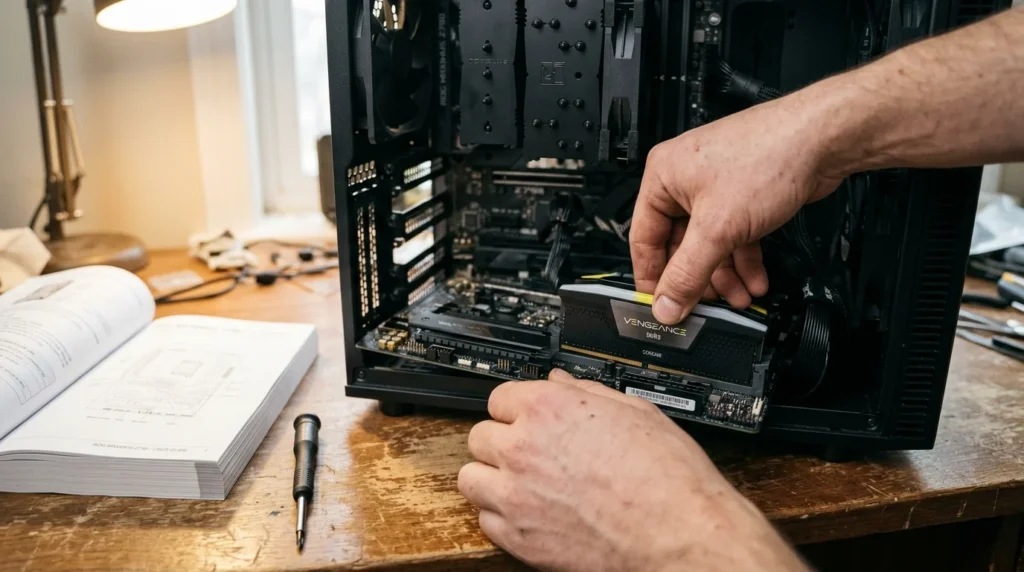
Check your upgrade options first. Your motherboard manual lists the maximum supported capacity and the tested memory kits, and a kit from that list avoids a return and a second purchase at today’s prices.
3. Laptop and Prebuilt Buyers Face a Different Choice
Most thin laptops solder memory to the board, so you cannot upgrade later. If you are buying one anyway, pay for the capacity you will need over the next three to four years. Prebuilt desktops can hide memory costs inside the bundle, so compare the listed RAM against what a matching kit sells for.
4. Signals Worth Watching Before You Spend
Four signals tell you more than any single price chart:
- TrendForce spot price updates, which tend to move before retail prices
- Micron’s quarterly earnings calls, where it gives supply guidance
- Whether Micron’s Idaho fab starts on its mid-2027 schedule
- Whether AI data center spending slows, since that is the demand side of this problem
When RAM Prices Could Come Down
Based on what the manufacturers have said, 2028 is the earliest realistic point for meaningful relief. That depends on new fabs hitting their schedules and AI spending not accelerating further. Micron has said prices could stay high until 2028 or until AI demand starts to fade.
So why is RAM so expensive now? The most profitable memory customers are AI companies, and the factories are building for them first. Buy only what you need, keep working hardware running, and check spot prices before any big upgrade.