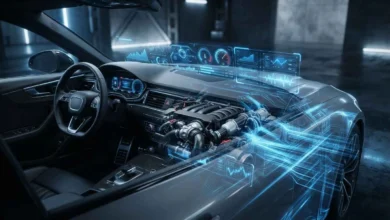
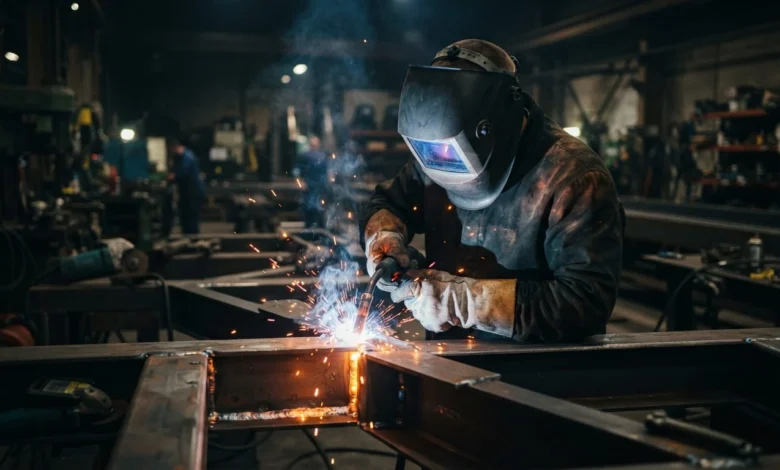
Welding technology covers the equipment, techniques, and processes used to fuse metal by applying heat, pressure, or both. It includes manual methods like stick and TIG welding, automated systems like robotic arc welding, and training tools such as virtual reality simulators now used in many welding programs.
The Welding Processes That Make Up Welding Technology
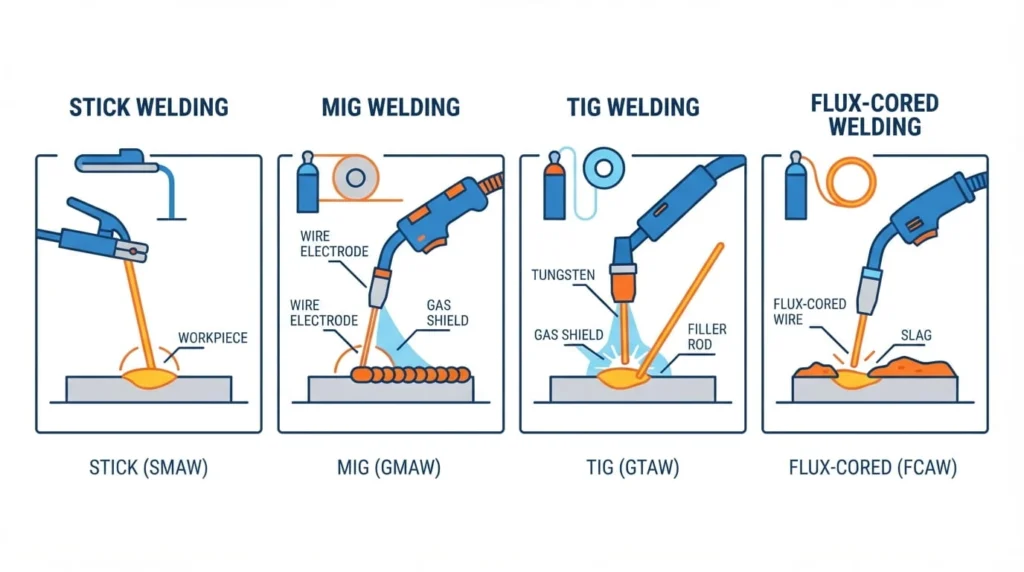
Every welding process joins metal by melting the base material, a filler metal, or both, then letting the joint cool into a solid bond. Which process a welder picks depends on the metal type, joint thickness, and whether the job happens in a shop or out in the field. Four processes account for most industrial and construction welding work today.
Shielded Metal Arc Welding (SMAW)
Also called stick welding, SMAW uses a flux-coated electrode that melts as it forms the weld. The flux creates a gas shield that protects the molten metal from air, which prevents contamination. Stick welding holds up well outdoors, on rusty or dirty metal, and on pipe. That’s why it’s still standard on many construction and repair sites even as newer processes take over shop work.
Gas Metal Arc Welding (MIG/GMAW)
MIG welding feeds a continuous wire electrode through a gun while an external gas, usually a mix of argon and carbon dioxide, shields the weld pool. It’s faster than stick welding and easier to learn, so most production shops and automotive repair work now run on MIG. A shop that switches from stick to a wire process can also cut labor time, since operators spend less time changing electrodes and chipping slag between passes.
Gas Tungsten Arc Welding (TIG/GTAW)
TIG welding uses a non-consumable tungsten electrode and a separate filler rod, which gives the welder precise control over heat and bead appearance. It produces the cleanest welds of any common process. That’s why aircraft parts, pressure vessels, and thin stainless steel or aluminum jobs rely on it. The tradeoff is speed: TIG runs slower than MIG or stick, and it takes longer to master.
Flux-Cored and Submerged Arc Welding
Flux-cored arc welding (FCAW) uses a tubular wire filled with flux instead of a solid wire, which lets it run without external gas in windy or outdoor conditions. Submerged arc welding (SAW) buries the arc under a layer of granular flux and shows up most often on thick steel plate in shipbuilding and heavy fabrication, where high deposition rates matter more than portability.
How Automation and Robotics Are Changing Welding Technology
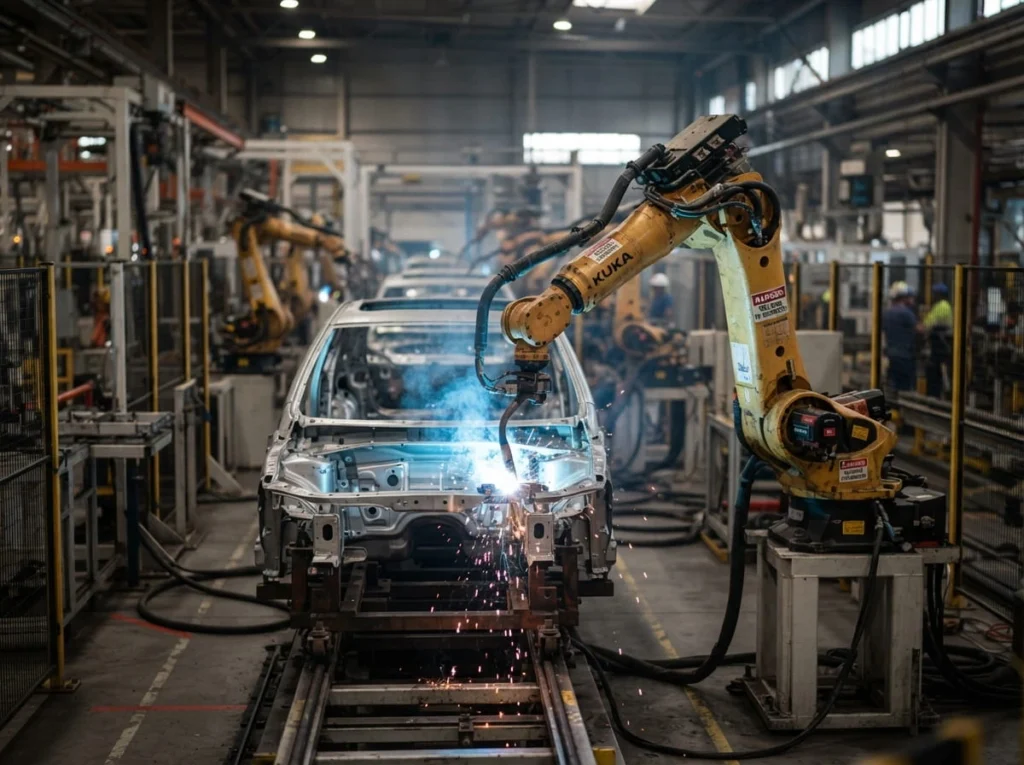
Manufacturers have automated welding for decades, but the technology keeps moving into jobs that once needed a skilled hand on the torch. Robotic welding cells now handle repetitive production welds on car frames, appliances, and structural steel, running the same joint thousands of times with less variation than a person can hold over an eight-hour shift.
Robotic Welding Cells
A typical robotic cell pairs a programmable arm with a power source and a part-positioning fixture. Once a technician programs the weld path, the robot repeats it at a fixed speed and angle, which cuts defect rates on high-volume work. Miller Electric’s Copilot line, for example, adds automation options built for larger weldments and aluminum parts, extending robotic welding into jobs that used to need manual setup for each piece.
Remote-Controlled and Sensor-Based Equipment
Not every job can move to a fixed robot cell, especially in construction and field repair. Miller’s ArcReach technology lets an operator adjust voltage and amperage from the wire feeder or a remote at the joint, instead of walking back to the power source each time a setting changes. On a jobsite with cables running hundreds of feet, that alone saves real time over a shift.
Modern Welding Equipment Built for Efficiency and Safety
Newer power sources sense what’s happening in the weld pool and adjust current in real time, which helps both new and experienced welders hold a steadier arc with less spatter. That steadiness affects the budget as much as the weld: a more consistent arc means fewer failed welds, and fewer failed welds mean less rework, often one of the biggest hidden costs on a fabrication or construction job.
Induction heating is another spot where welding technology has moved past older methods. Preheating pipe joints with an open flame or resistance heater takes time and fuel. Induction heaters that run off the welder’s power source heat the joint faster, and Miller Electric states its induction solutions can pay for themselves in fuel and labor savings by around the eleventh joint preheated on a job.
Safety equipment has changed too. Auto-darkening helmets with faster-reacting lenses cut down on the eye strain that comes from repeatedly lifting a hood, and low-fume filler metals reduce the particulates a welder breathes in over a shift, both of which lower long-term health risks on the job.
How Welders Train on Today’s Welding Technology
Learning to weld well still takes hands-on practice, but training programs now pair that practice with tools that weren’t available a generation ago.
Virtual Reality Welding Simulators
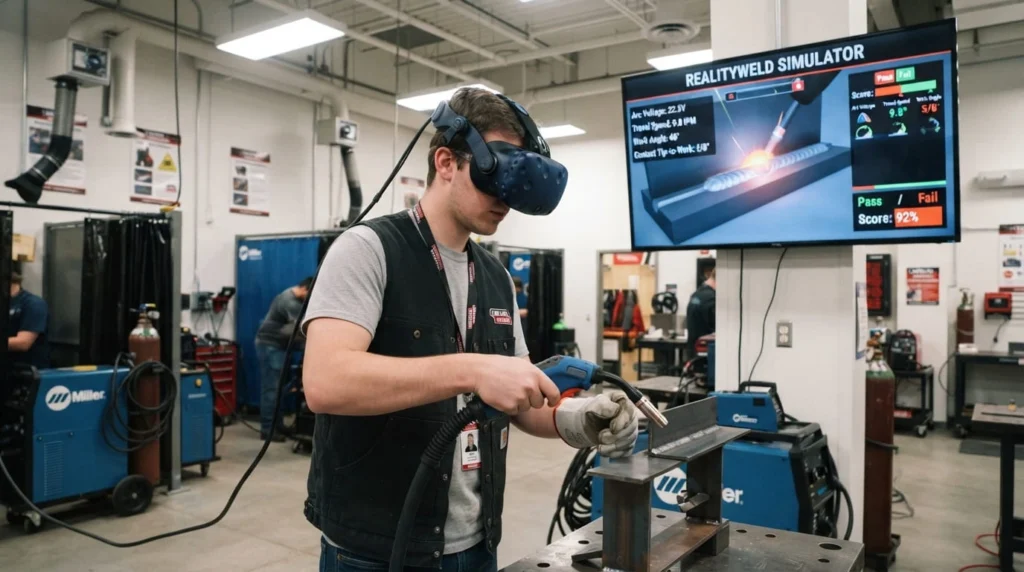
VR welding trainers, like Lincoln Electric’s VRTEX systems, let students practice torch angle, travel speed, and joint positioning before they strike a real arc. That cuts down on wasted filler metal and lets instructors correct technique on the spot, which matters in programs where booth time and material budgets are both limited.
Welding Certification and Credentials
Most welding careers run through a certificate, diploma, or associate degree program, followed by process-specific certification testing through a body like the American Welding Society or a state program. Community and technical colleges typically structure these programs so each course builds toward the next, moving a student from basic joint fit-up through certification-level testing on SMAW, GMAW, and GTAW.
Welding Careers and What the Job Actually Pays
Demand for welders has held up because the trade is physically demanding, requires real skill, and can’t be done remotely. Entry-level wages vary by region and industry. Bluegrass Community and Technical College in Kentucky lists starting pay for its welding graduates in the $17 to $25 an hour range, with higher earnings tied to certifications such as pipe welding.
Graduates typically move into manufacturing, construction, pipeline work, shipbuilding, or automotive repair. Welders who add certifications in more than one process, or who train on robotic and automated systems, generally have more paths open to them than someone certified in a single process.
Getting Started With Welding Technology
If you’re weighing a welding career, start by sitting in on an SMAW or MIG class at a local community or technical college. Most programs let prospective students visit a working booth before they enroll. Ask what processes the program certifies you in, whether it includes VR or robotic equipment, and which local employers hire its graduates. The right first step depends less on picking the single “best” welding technology and more on matching a process and a program to the kind of work you actually want to do.
FAQ’S
1:What Is Welding Technology?
Welding technology is the equipment, processes, and techniques used to fuse metal parts. It ranges from manual stick and TIG welding to automated robotic welding cells and remote-controlled power sources.
2:Which Welding Process Is Easiest to Learn?
MIG welding (GMAW) is generally considered the easiest process for beginners, because the wire feeds automatically and the gun is simpler to control than a stick electrode or a TIG torch and filler rod.
3:How Long Does It Take to Become a Certified Welder?
Certificate programs can run from several months to about a year, while an associate degree in welding technology typically takes two years of full-time study, followed by process-specific certification testing.
4:Is Robotic Welding Replacing Welders?
Robots have taken over high-volume, repetitive production welds, but field work, repair, custom fabrication, and process setup still need skilled welders. The trade has shifted rather than disappeared.
5:What Does Entry-Level Welding Pay?
Entry-level pay varies by region and employer. Some community college programs report starting wages in the $17 to $25 an hour range for new graduates, with higher pay tied to specialized certifications.